12% OFF
Shop Graphics Cards products from multiple suppliers.


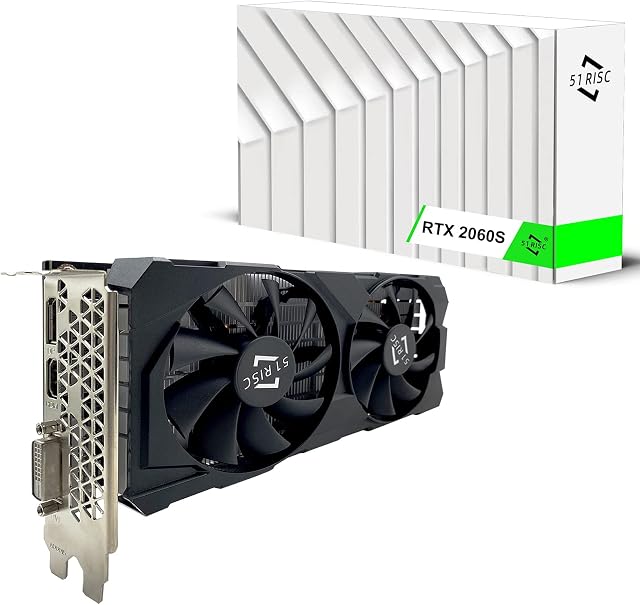


Graphics cards are specialized circuits or devices that have their own built-in memory and are designed to depict both static and animated graphics in a device. These high-performance hardware accelerators enhance your desktop computing experience by delivering smooth graphics performance on all modern operating systems, including the latest versions of Windows 10. They come equipped with features like ultra-realistic lighting technology, cutting-edge textures, life-like reflections, dynamic shadows, real-time anti-aliasing, adaptive shadow control, improved geometry, high-resolution texture compression, and multiple monitor support for immersive virtual reality gaming experience. With top GPU brands including NVIDIA and AMD dominating the graphics card industry with powerful GPUs, it can be quite perplexing to select one that aligns with your performance expectations within your budget. This comprehensive guide provides insights on choosing a Graphics Card based on various criteria that includes price, technology architecture, GPU core clock speed, memory bandwidth, shader cores, and PCI-E lane count among others.
Types of Graphics Cards:
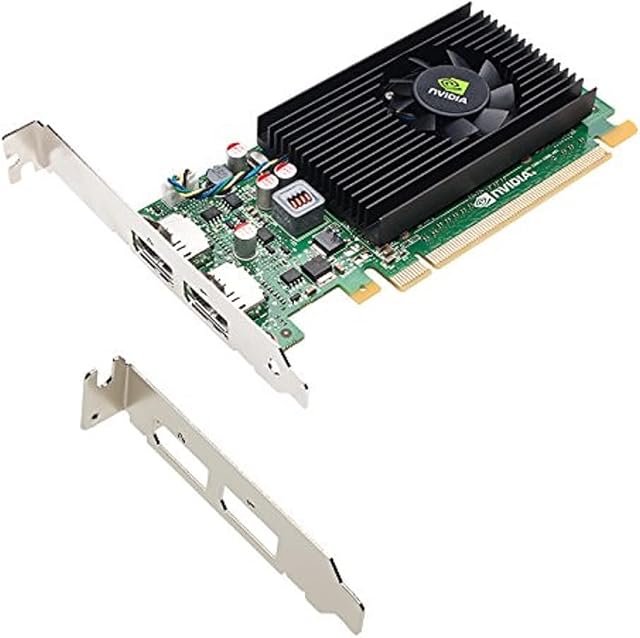
Graphics cards come in all shapes and sizes, from compact models suited for smaller systems, workstations designed to crank out heavy workload rendering jobs or professional application support, with a combination of power and precision engineered. Each comes tailored with their strengths like top-class memory bandwidth, advanced DirectX® 11 API feature set support, ultra-high resolution display capability and enhanced visual computing. The primary differences include memory capacity, number of rendering pipelines and overall board design for cooling or silent gaming purpose that helps reduce system noise level during high-intensity graphic rendering, gaming or editing applications
Entry-level Graphics Cards:
Designed for budget gaming or everyday productivity, these cards fall within an affordable price bracket with limited features to get basic work done. Suited for older systems and offer low-end performance with 640MB or less memory size capacity for entry-level gamers
Mainstream Graphics Cards:
Represent the bulk of dedicated GPU models suitable for a majority gaming rig, professional, engineering and 3D animation suites support on mainstream system designs. Offers better 2D, multimedia capabilities in addition to delivering high gaming frame-rates with advanced features support that exceed VR certification, immersive VR gameplay delivery alongside capable workstation tasks completion
High-End Graphics Cards:
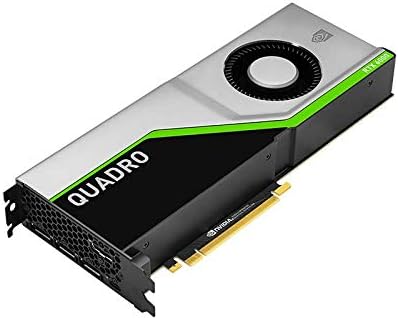
Boasts cutting-edge architecture with multiple GPU cores engineered for enhanced gaming visuals on ultra HD or curved display. Suitable for gaming rig enthusiasts, e-Sports professionals or high-end systems users targeting realistic graphics experience with stunning clarity visual details in extreme resolution support beyond full HD screens that run virtual reality simulations at 1440p, or renderer software workload efficiently deliverable through dedicated engineering GPU. With enhanced overclocking potential capabilities for professional gaming tournaments or rendering, they demand the best cooling and electrical components built-in the design layout with powerful heat pipe thermal technology keeping performance within safe working conditions for system sustainability
Mobile Graphics Cards:
Are built on an MXM standard that fit into notebook/Laptop PC form factor systems as opposed to standalone desktop towers. Designed in collaboration with leading GPU vendors like NVIDIA GeForce, AMD Radeon, and Intel® Graphics for seamless integration and are engineered to cater a smooth and optimized high-end performance to ensure gamers do not compromise gaming fidelity at their preferred settings irrespective of device type, while delivering multimedia enhancements for seamless gaming experience that meets budget limitations on the go
Graphics Cards and Their Technology Architectures:
Currently, there are two major GPU providers worldwide: AMD and NVIDIA. Here's a detailed explanation of each with its associated memory size, bus architecture, compute/GPU technology-RAM speed (clock speed). Nvidia is widely renowned for their advanced shader unit counts and their Maxwell architectures boast more transistors, larger die size than AMD Graphics Cards-GK108 chips that offer lower shader core clock speeds while consuming more power with reduced overall memory bandwidth efficiency compared to R9 295. While RX Vega 56 comes up in AMD architecture family suited with second and subsequent generations GPU cards support, Zen x1 and zen + series offer better performance and energy efficient RAM module at the price points that rival some mainstream models offered from NVIDIA camp
GPU-rendering engine capability, Multi Monitor technology is another major focus areas of both vendors' GPU roadmap that includes AMD 7 nm Gaming graphic Cards & 200+ watt A624089 Radeon Pro 55W PCI Express Power with Vega series on-board graphics support and the Nvidia Turing GPUS. With multi GPU configurations, professional workflow enhancements through crossfire bridging for advanced virtual reality experience delivering realistic simulations from CAD model, design draft visuals on immersive displays at affordable price bracket than single 8/16 Gig Super GFX cards options on both vendors' GPU boards suited for top end desktops/Laptops targeting professional use-cases with VR applications and content delivery enhancements
How to Select Graphics Cards for Best Performance:
Before picking graphics cards, consider the budget range of a high-performance gaming rig or pro computer. Numerous factors that play into performance delivery that includes memory bus size with number rendering pipelines engineered in
More listings from Graphics Cards by experienced suppliers.