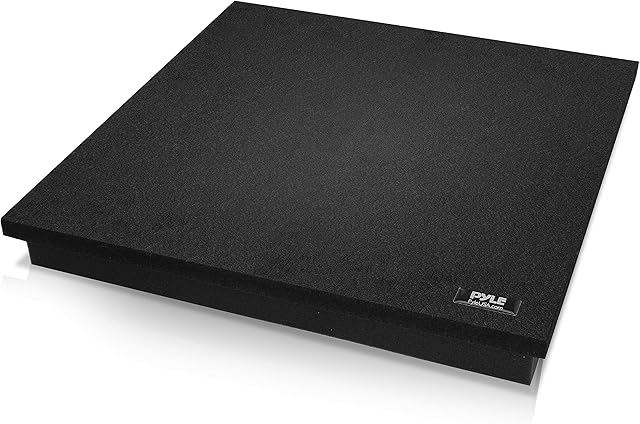
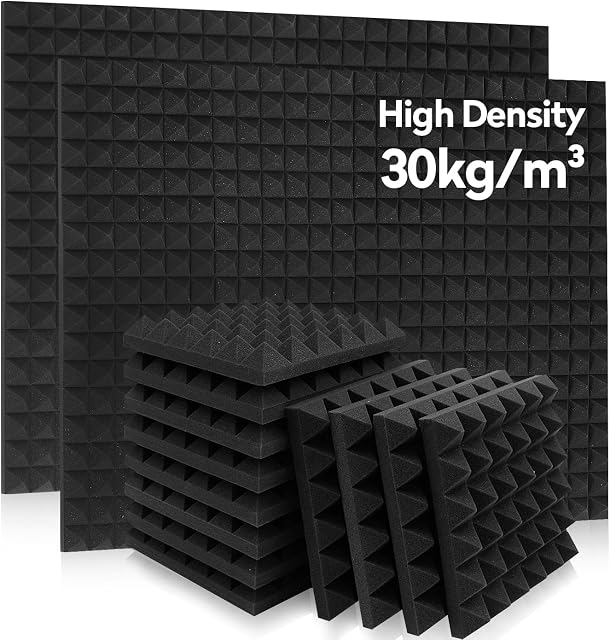
In everyday language, music makers will discuss setting up acoustically friendly recording places known as rooms which often involve positioning of audio loudspeakers correctly while keeping noise/music levels and early reflections balanced inside such controlled internal air-space spaces for improved recording capabilities in the finished item's outcome. Fans who want to listen back at music that their fave artists produce employ tools meant to eliminate outside sounds, letting fans concentrate on each song. This way the artist can appreciate getting accurate audience impressions on work they may share next and sound mixing professionals take heed. That type of quiet zone-style space enables people hearing audio or records with minimal unwanted noise, thus it results in the listener experiencing good results like those creating songs as the tunes is clear from other annoying external stuff interferences. It provides music-listening benefits comparable to wearing high-quality headphones during sessions for audio clarity with zero interruptions for listeners of recorded materials, therefore a rewarding atmosphere while getting things accomplished effectively. Sound treatment solutions for vocal, electronic musical instruments plus more can improve results by limiting external distractions hence reducing frustrations and saving a lot more on editing later at their studios; these tools not only produce decent audio output for recordings and also reduce overall studio time when musicians record/produce, meaning higher cost-saving and greater income, in some way. The importance of setting up high caliber audio technology environments makes investment an excellent thing while making quality sounds, so folks enjoyable in a way without stress with displeasure or negative feedback from disturbances outside rooms.
More from Studio Environment
More listings from Studio Environment by experienced suppliers.